
With the summer months coming to a close, it’s time to make sure that your HVAC system is running at total capacity.
A faulty HVAC system can massively cut into your energy budget and harm your overall profit by increasing your operating costs by lowering your energy efficiency.
A poorly functioning HVAC system requires more energy to produce the same results, which costs more money.
It really is as simple as that.
Prevention is better than a cure. If you know the signs that your HVAC system is beginning to struggle, you can make massive savings on energy expenditure and expensive maintenance.
Here are 10 signs that your HVAC system might need a look at.
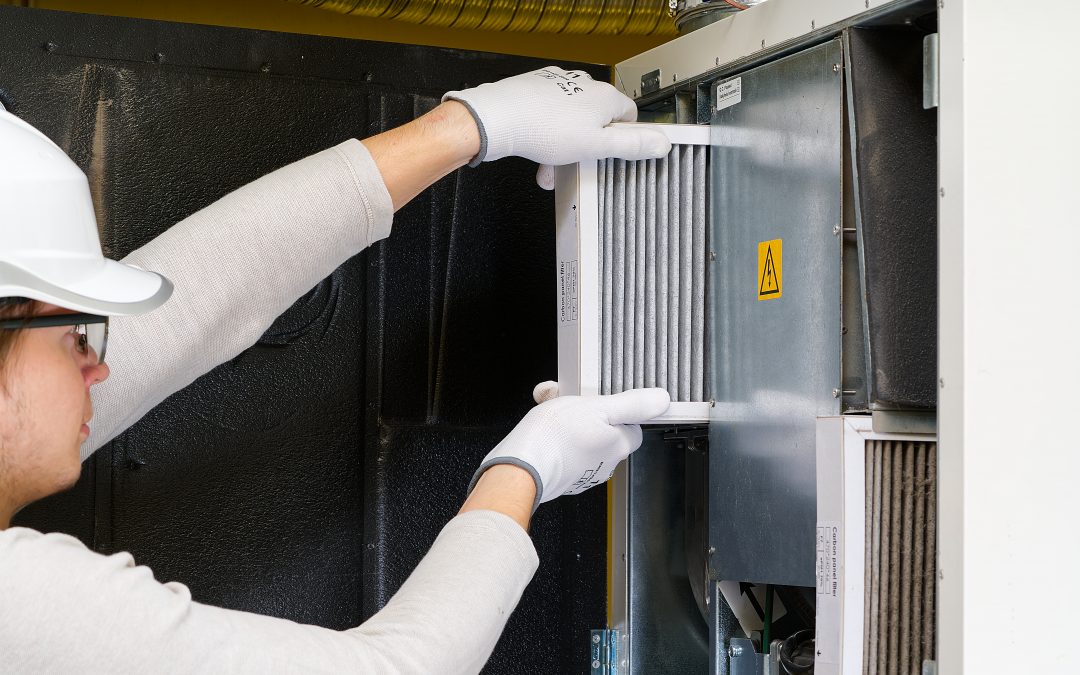
- It’s been longer than 3 months since your air filters have been changed.
To operate at peak efficiency, you must ensure that your air filters are changed regularly (once every 3 months is ideal).
Why? Because a dirty air filter reduces air quality in your office, decreases the lifespan of your HCAC, forces your HVAC to use more energy to produce the same results, limits temperature control, and will lead to more serious problems in the future.
- Your HVAC is struggling to keep the room at the right temperature.
An obvious sign that your HVAC is in need of repairs is that it simply isn’t cooling (or warming) a room as well as it used to.
This forces us to adjust the temperature to a different setting, which forces the HVAC to work harder, increasing the likelihood of a mechanical fault.
The longer you leave it, the more expensive the repair is going to be and the higher your electric bill.
- The outside unit hasn’t been cleaned in a while.
The outside unit (depending on climate and pollution levels) can tend to collect debris, which restricts airflow, making the HVAC system have to work harder to provide the same results.
A quick fix would be to use a garden hose once a year to clean the outside unit (after powering it down.) If there is no appreciable difference, call a mechanic.
- The outside fan and compressor aren’t working correctly.
While you’re checking the outside unit for debris, look at the fan’s blades to see if they’re moving at the right speed, if any rattling noises can be heard, or if the fan is still moving even after the unit has been turned off.
If you notice something is wrong, the first thing you should do is check the compressor. Make sure the unit is switched off, and then unscrew the side panel to get access to it. There you’ll see a cylindrical battery with wires coming out of it. If any of the wires look damaged, then your compressor needs repair. If not, then the fan has a problem.
- There are leaks in the ductwork.
An inspection of the HVAC ducts should be conducted once a year to ensure that there are no leaks. Flexible ductwork has a tendency to tear more frequently than metal, and it is better to conduct any minor repairs before they become a bigger problem.
Holes, tears and leaks will limit airflow to your HVAC, decrease air quality by letting contaminants into the system, and increase the likelihood of a blockage.
Which, if left unchecked, can mean an expensive fix or even replacement.
- Frequent cycles.
Your HVAC system should be going through relatively consistent cooling cycles. If you notice an increase in those cycles, it means that your HVAC system is overheating. There are plenty of reasons why this could be the case, including the 5 that we mentioned previously.
- Loud noises from inside the AC unit.
There are plenty of moving parts in an HVAC system. If you hear any unexpected sound coming from the unit, you should get it looked at immediately. The longer you leave it, the more likely that those moving parts will cause additional damage, requiring an even more expensive fix and pushing your electric bill even higher.
- Bad smells
No, it’s not supposed to smell like that. If you notice a bad smell coming from your HVAC, you have a problem. If it’s a burning smell, one of your wires has shorted, and if it’s a musty smell, you’ve got mould.
Clean the filters, wipe down the machine, and if you call in a professional to replace the wire before the problem gets worse.
- The room is humid.
Your HVAC system, particularly the AC, is supposed to keep the air dry and comfortable. If there is a lot of humidity in the room, then your AC isn’t working as it should.
The main problem with ACs is that the longer you leave a maintenance issue, the more issues will crop up. A humid room is a sign that something in the HVAC system is broken down.
- It keeps breaking down.
As HVAC systems get older, they become more prone to breaking down. If those breakdowns occur frequently, then that means there is a severe mechanical fault that needs to be looked at before it becomes worse.
For more energy-saving tips. Visit our website at https://www.negawattenergy.com.au/