Negotiating a competitive energy contract is just the first step to making incredible savings on your monthly energy bill.
An effective way to get the upper hand in your energy contract negotiations, as well as start saving now, before the negotiations begin, is to invest in a solar energy system.
What is a Solar Energy System?
The Australian Renewable Energy Agency (ARENA) explained it this way:
“ Solar power is produced when energy from the sun is converted into electricity or used to heat air, water or other substances. Solar energy can be used to create solar fuels such as hydrogen.”
13 years ago, Solar energy was too expensive to be a reliable alternative to fossil fuels. That has changed significantly, with solar costs dropping a whopping 85% in the last 10 years alone.
With the major decrease in cost, Solar Energy is quickly becoming the number one choice for energy generation among countries, businesses and households all over the world.
This fact is no more apparent than when you consider that its use is growing quicker than any other form of energy!
A Solar Energy System, also known as a solar system transforms sunlight into electricity through photovoltaic (PV) panels or through special mirrors that can concentrate solar radiation.
How does it work?
There are 2 basic ways that solar energy is captured and converted into usable electrical energy.
Photovoltaic Solar
Photovoltaic solar energy generation is the method whereby sunlight is transformed directly into energy using a semiconductor (solar) PV cell.
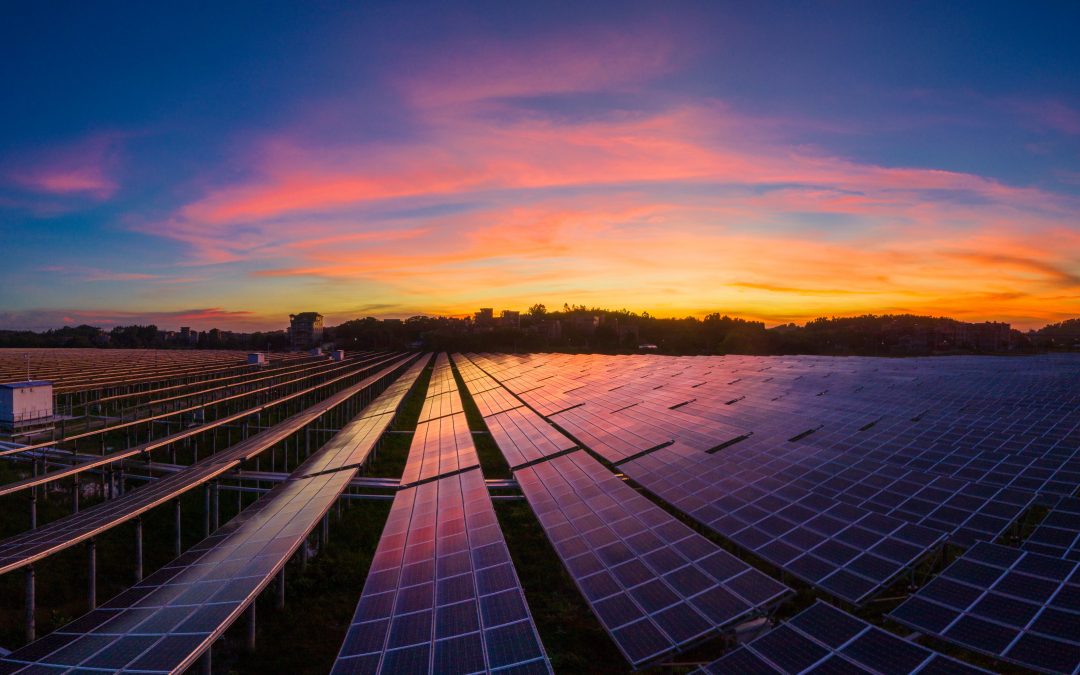
A group of common solar PV (photovoltaic) cells are put together and encased in glass and aluminium to form a Solar Panel, which is then installed in areas where they can get the most direct sunlight for the longest period of time.
The more panels you have, the more energy you generate, leading to massive-scale solar farms that can generate huge amounts of electricity, every day.
Solar panels are the most common form of photovoltaic solar energy generation, but there are exciting developments in PV tech, including PV solutions that can be integrated into buildings, flexible PV, and even PV paint! (https://arena.gov.au/renewable-energy/solar/)
Solar Thermal
Solar thermal generates electricity by converting solar energy into heat, which can then be used to generate steam which then turns a turbine.
There are 2 main types of solar thermal energy methods:
- Small-scale thermal tech is used to heat space or water (think solar-powered geysers).
- Concentrated solar thermal uses a field of mirrors to reflect sunlight onto a device called a receiver, which transfers the heat to a thermal battery.
What does this mean for my business?
At COP27 in 2022, 19 major global powers (including Australia) pledged to achieve a net zero emission by 2050. (https://www.whitehouse.gov/ceq/news-updates/2022/11/17/ceq-launches-global-net-zero-government-initiative-announces-18-countries-joining-u-s-to-slash-emissions-from-government-operations/)
This means that by 2050, Australia aims to reduce our greenhouse gas emissions that cause global warming to zero.
In order to achieve this, the government is offering massive incentives to businesses to make the switch to green energy, of which Solar Energy is the most sustainable.
Let’s take a look at just a few of these.
Electricity Feed-In Tariff
When you put in a solar energy system that is connected to the grid, you might get credited for the electricity you put back into it.
Queensland, Tasmania, South Australia and Victoria use a Net Feed-In Tariff system that accredited businesses for the amount of electricity their solar panels generate but don’t use.
This excess electricity is then fed back into the grid, and your business is credited for the amount brought in.
This means lower electricity costs and bigger profits!
Find out the terms and conditions here: https://www.energymadeeasy.gov.au/article/choices-that-are-good-for-the-environment#solar-plans
The Environmental Upgrade Finance Program (EUF)
Certain municipalities in Victoria offer a free financing service that has been designed to help businesses, residences, councils and community groups invest in energy efficiency upgrades, renewables, as well as water and waste efficiency improvements.
The EUF offers savings in energy, water and waste costs and reduced greenhouse gas emissions, which improves working conditions and protects the environment.
Check out if you’re eligible here: https://www.energy.gov.au/rebates/building-finance-environmental-upgrades
The Small-Scale Renewable Energy Scheme
Designed to help small businesses and residences reduce the purchase cost for a small-scale renewable energy system, the Small-scale Renewable Energy Scheme has seen great success in helping small businesses save money and boost their profits.
If you own an eligible system (Solar photovoltaic systems, Solar water heaters, Air source heat pumps, Wind turbines, Hydro Systems), you may receive a discount on the total price of your system upfront. Or, you may receive several small-scale technology certificates, that can be created or sold after installation.
To find out if you’re eligible, visit the following website: https://www.cleanenergyregulator.gov.au/RET/Scheme-participants-and-industry/Agents-and-installers/Small-scale-systems-eligible-for-certificates
Negawatt Energy Solutions is here to help you reduce your energy costs, saving you money and boosting your profits.
Visit our website to get started: https://www.negawattenergy.com.au/